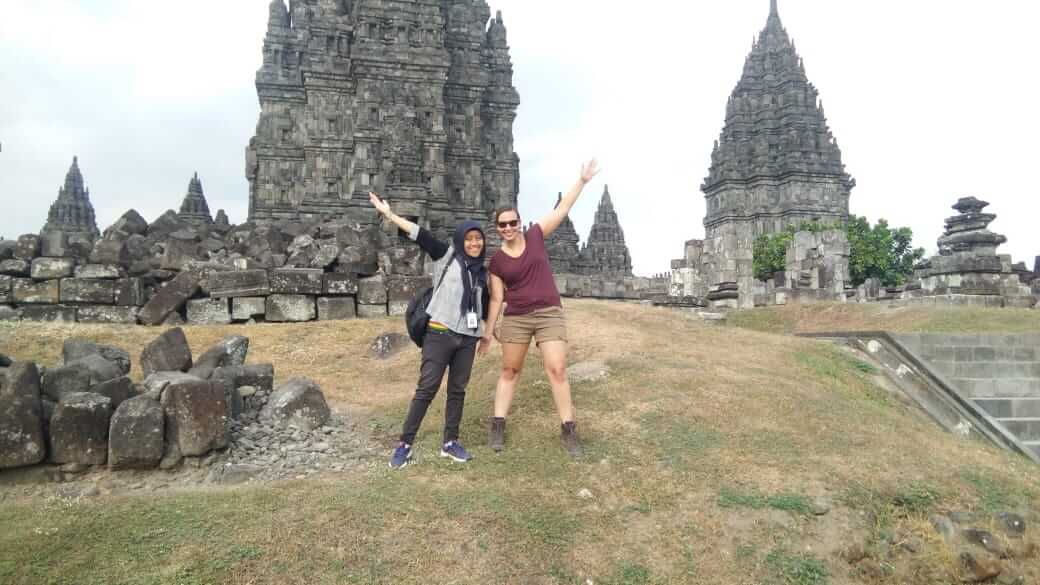
About YOGYA TOURS
YOGYA TOURS, a tour operator established in 1996 with based operational in Yogyakarta, has the experience and capabilities to provide various tour packages to visit tourist destinations in Central Java such as Yogyakarta City, Borobudur Temple, the largest Buddhist temple built in the 8th century, the world heritage registered by UNESCO, Prambanan Temples, the largest Hindu temple dated in the 9th century, and tourist destinations in East Java such as Mt. Bromo to watch the sunrise and panorama view, and the Ijen Crater to watch the blue fire and huge acid water lake’s panorama view.
We offer various tours for customers to visit tourist destinations in Yogyakarta, such as Yogyakarta City, Borobudur, Prambanan Temples, Timang Beach, Jomblang Cave, Dieng Plateau, and other destinations in East Java, such as Mount Bromo and Ijen Crater.
Transport Service
We offer affordable private tourist transport service in Yogyakarta with a driver to discover the tourist destinations in Yogyakarta, using all types of vehicles in very good condition, from a small minivan to individuals or families like the Toyota Avanza, fit for 2 people up to 4 people, or the large Hi Ace, fit for small groups of 6 to 10 people, or a tourist bus from 35 seats to a maximum of 54 seats. Check the transport price in 2024 by following the link below: One-Day Transport Service and Long-Trip Transport Service
Regular Yogyakarta Tour Packages 2024
Our team spends a lot of time to design and update our tour packages to discover tourist destinations in Yogyakarta and East Java that are available for individuals or groups, but if the tours are not mentioned in the tour package list, please allow us to customize your tours with the preferred destinations, date period, total participants, and pick-up location. Get the product details as follows:
Shore Excursions
A tour organized specially for cruise ship passengers from Semarang Surabaya Port
- Amazing Surabaya City Tour From Surabaya Port
 Surabaya City Tour to visit tourist destinations inside the Surabaya City such as Pabelan Traditional Market, Ampel Masque, Chinese Quarter. Surabaya City Tour
 - Shore Excursions to Borobudur Temple from Semarang Port
 A day shore excursion to Borobudur Temple, one of the UNESCO heritage sites in Central Java, organized for all cruise ship passengers from Semarang Cruise Port.
Yogyakarta One Day Tours
One-day tour specials organized to visit tourist destinations from Yogyakarta
- Wonderful Timang Beach Tour From Yogyakarta
 Tour to Timang Beach location where visitors should take cable cart traditional gondola motorized by local people or by cable bridge from beach to reach island
 - Wonderful Dieng Plateau One Day Tour from Yogyakarta
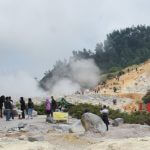 Dieng Tour is one day tour from Yogyakarta to DIeng Plateau to visit complex of oldest Hindu Temples from 7th century, visit Sikidang, and Telaga Warna
 - Amazing Jomblang Cave Tour
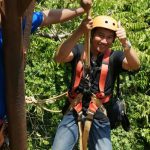 Jomblang Cave Tour, a vertical cave in Gunungkidul, is a location where visitors should use a hoisted rope to descend and ascend on the same single rope.
 - Yogyakarta City One Day Tour
 Yogyakarta One-day tour to visit destinations in Yogyakarta city: Sultan Palaces, Sultanate Garden, Luwak Coffee, Silver Batik Home Industries, and Malioboro
 - Wonderful Prambanan One Day Tour from Yogyakarta
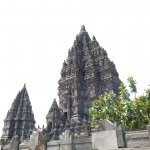 A day tour depart from Jogjakarta City in the morning to Prambanan Temples, The biggest ancient Hindu temple built at 9th Century.
Yogyakarta Bromo Ijen Tours
All long-trip tour packages start in Yogyakarta to visit Bromo and Ijen and finish in Bali.
- Wonderful Yogyakarta Bromo Ijen Bali 3 Days 2 Nights Tour
 Tour from Jogjakarta to Bromo to watch Sunrise, Panorama view, climb up 256 stairs to crater and to Ijen Crater to watch blue fire, huge acid lake waters finish to Bali
 - Wonderful Yogyakarta Bromo IJen Bali 5 Days 4 Nights Tour
 Jogjakarta Bromo Ijen Tour in 5 Days is overland tour to visit Borobudur temple Prambanan Jogjakarta, Sunrise at Bromo, see Ijen Crater to finish by transferring to Bali
 - Wonderful Yogyakarta Bromo Ijen Bali 3 Days 2 Nights Tour
 Tour from Jogjakarta, by to visit Mt Bromo to see sunrise and panorama view, to Ijen Crater to watch blue fire, huge acid water lake, then transfer to Bali
 - Amazing Yogyakarta Bromo Surabaya 2 Days 1 Night Tour
 Jogjakarta Bromo Surabaya (2 Days) is tour from Jogjakarta to Bromo by land directly, see sunrise and panoramic view at Bromo and transfer to Surabaya
Yogyakarta Featured Tour Packages 2024
The best-selling or highlighted tour packages that are highly recommended to explore tourist destinations in Yogyakarta include Borobudur, the largest Buddhist temple in the world; Prambanan, the largest Hindu temple complex; Tourist destination in East Java such as: Mount Bromo; Ijen Crater; and others.
Click on this link below, and you will be directed to a detailed tour arrangement.
- Shore excursion to Borobudur Temple from Semarang Port
- Borobudur Prambanan One Day Tour from Yogyakarta
- Timang Island One Day Tour from Yogyakarta
- Deng Plateau One Tour from Yogyakarta
- Yogyakarta Bromo Ijen Bali 3 Days 2 Nights Tour
- Java Bali 14 Days 13 Nights Overland Tour
Tours Details
Shore Excursion to Borobudur Temple from Semarang Port
Tour Description
Borobudur Temple, the biggest ancient Buddhist temple in the world, built in the 8th century, is one of the main tourist destinations in Central Java, and it is easily reachable from Semarang Port.
We offer the best Borobudur one-day tour from Semarang Port, a special shore excursion to Borobudur temple for all cruise ship passengers docking at Semarang cruise port on a single-day tour.
Why should cruise ship passengers take Borobudur One Day tour from Semarang Port?
- We have a good experience to provide shore excursions for cruise ship passengers from Semarang Port
- Private tour, private transport. no depend to the others
- Flexible tour itineraries and duration will flexible.
- Historical tour to visit the biggest Buddhist temple in the world.
- Recommended tour when cruise ship passing over Indonesia Archipelago
Tour itineraries
- 08.00 or later, your ship will dock at Semarang Port. Our team, with a signboard in hand, will pick up at a private pickup location and then drive directly to Borobudur Temple, passing by tollways to skip Semarang city center.
- 11.00 – Arrive at Borobudur Temple, after 100km on ways, and then get entrance tickets at entrances. We walk through the beautiful garden to the Borobudur Temple. From the courtyard around, we can see the statues inside the niches with different hand positions from 4 different angles. We can see on the open basement a piece of relief from the Mahakaramawibangga story (stories that contain the moral teachings of cause-and-effect) and take pictures with the whole temple as the background.
- 12.30 – going down to take Lunch at Local restaurant
- 14.00 – Drive back to Semarang Port
- 16.00 – arrive at Semarang Port
Inclusions
- Transport (mpv type driver, fuel, parking fees)
- Entrances Tickets to Borobudur
- Local Tour Guides
- Mineral Water
Exclusions
- Meals
- All Personal Expenses
Price List
How much does a shore excursion to Borobudur Temple from Semarang Port cost?
| Members | USD | Price Per person |
|---|---|---|
| 01 | USD | 350 |
| 02 | USD | 180 |
| 03 | USD | 160 |
| 04 | USD | 150 |
| 05+ | USD |
Borobudur Prambanan One Day Tour
Tour Description
Borobudur Prambanan One Day Tour is a recommended one-day tour to visit Borobudur Temple, the largest Buddhist temple in the world, dated in the 8th century, and Prambanan Temple, the largest complex of Hindu temples, dated in the 9th century, starting from Yogyakarta airport by first flight from Bali or Jakarta or from the hotel where you stay in Yogyakarta City, starting in the morning to visit Borobudur Prambanan Temples in one day tour.
Why should travelers book a Borobudur-Prambanan one-day tour?
- A private tour, private transport, no need to waif for another
- Flexible tour itineraries, duration and timing
- Visiting 2 tops of tourist destinations Yogyakarta.
- Enjoyable Historical Tour packages
Tour Itineraries
- 07.00: Pick up from your hotel in Jogjakarta or airport and transfer to Borobudur Temple, which is well known as the biggest Buddhist temple dated to the 8th century and located about 40 km from Jogjakarta.
- 08.30: Arrive at Borobudur, get the entrance ticket at the entrance gate, then walk through the beautiful gardens, walking up the stairs to reach the courtyard around Borobudur Temple. Borobudur Temple is a Buddhist temple that was built in the 8th century. It is located on a hill and consists of 3 levels: 2 rectangular levels; the first level is the temple basement; the second level is where you can see the story of Buddha depicted on the temple walls; and the third level is a circular level where there are 72 large stupas, with the largest stupa being the main stupa.
- 11.30: Driving to Prambanan Temple, the biggest Hindu temple dated to the 8th century that is compounded by Brahma Siva and Vishnu Temple, and on the way, stop over at Pawon Temple and Mendut Temple, where the three Buddhist statues are located inside.
- 14.00: Visit Prambanan Temple, the biggest Hindu temple, built in the 8th century, compounded by the main temples Brahma Siva and Vishnu, surrounded by smaller temples.
- 17.00 – Going back to Yogyakarta transfer to hotel or to airport
Inclusions
- Transport (van driver, fuel, parking fees)
- Entrances Tickets to Borobudur and Prambanan temples
- Local Tour Guides English speaking
- Mineral Water
Exclusions
- Meals
- All Personal Expenses
Price List
How much does Borobudur Prambanan One Day Tour cost?
| Members | USD | Price Per Person |
|---|---|---|
| 01 | USD | 220 |
| 02 | USD | 160 |
| 03 | USD | 130 |
| 04 | USD | 120 |
| 05+ | USD | 100 |
Timang Island One Day Tour
Tour Descriptions
Timang Island is located at Tepus Gunungkidul, reachable in 2 hours from Jogjakarta City. This location was used for shooting the South Korean television series Running Man. It offers a beautiful panorama view of the Indian Ocean and an adventurous tour where visitors should pass over the powerful Indian Ocean to reach Timang Island using a cable cart, a traditional gondola that is motorized by local people, or a cable bridge that is available for brave visitors.
Why should travelers book a Timang Island in one day tour?
- A private tour, private transport.
- Flexible tour itineraries and duration will flexible.
- Tour to the exotic location where the visitors use their adrenalin to reach Timang island
Tour itineraries
- 07.00 – leave hotel in Jogjakarta and drive to Gunung Kidul
- 11.00: We arrive at the gate of the village, and we change transport mode to Jeep 4×4 as we will pass the rocky route to Timang Beach.
- 12.00 – on location you could choose, with one you prefer by cable cart or cable bridge to reach Timang island passing over the Indian Ocean
- 14.00: Going back to the starting point and stopping at a local restaurant where you can taste the local restaurant that serves lobsters that have been caught on the island of Timang in the morning
- 15.00 – on the way to Jogjakarta stop over at Penger Pines Forest that located on he way back
- 16.00 – leave Pengger Pines Forest to drive back to Jogjakarta
- 17.00 – arrive at hotel end of service
Inclusions
- Transport private Van AC, driver gasoline, parking fees)
- Jeep 4v4
- Entrances Tickets to Timang beach
Exclusions
- Meals (lunch)
- All Personal Expenses
Further information and request a quotation please contact us
Dieng Plateau One Day Tour
Tour Description
Dieng Plateau Tour is a recommended one-day tour from Jogjakarta to visit the complex of the oldest Hindu temples dated to the 7th century, visit Sikidang, the area where we can watch the small and biggest hot mud carters, and then visit Telaga Warna, a colored water lake caused by gases that can be seen better from Ratapan Angin the higher peak nearest, and enjoy the enjoy the spectacular mountain country’s side view with villages and potato and vegetable farms or tobacco farms in the dry season along the mountain route.
Why should travelers take the Dieng Plateau One-Day Tour from Jogjakarta??
- Private tour Private Transport no need to wait for the others.
- Flexible Tour itinerary
- Tour combination between Heritage and Natural tour
Tour itinerary
- 07.00: Leave hotel and drive to Dieng Plateau, which is located on a highland in the middle of Java Island and is reachable approx. 3 hours from Jogjakarta, passing through Wonosobo, the nearest city to Dieng Plateau.
- 10.00: Arrive at Dieng Plateau, where the complex of 7th-century Hindu temples is considered the oldest temple, named by the figures names in the Mahabharata Story. Visitors walk across the potatoes fields.
- 11.00: After visiting the complex of temples in the middle of the farm and then going to the location where the hot mud carters are, named Sikidang Crater, in this location it smells strongly sulfur gasses from the small crates.
- 12.30 – and then going to visit Telaga Warna, a lake with different watercolors caused by gases, and the view seen better from the higher peak nearest.
- 13.00 – drive back to Wonosobo to take lunch.
- 15.00 – going back to Jogjakarta.
- 18.00 – arrive at Jogjakarta, End of service.
Tour Inclusions
- Transport (van driver fuel and parking fees)
- Entrances Tickets
- Tour guide English speaking
- Mineral Water
Tour Exclusions
- Lunch
- All Personal expenses
Further information and request a quotation please contact us
Yogyakarta Bromo Ijen Bali 3 Days 2 Nights Tour
Tour Description
Long trip from Jogjakarta to Mount Bromo by land to watch the sunrise panorama view from a viewpoint in Bromo, and then walk on sand volcanic and climb up to 249 steps to visit Bromo Crater, after that driving Banyuwangi, where in the next day, departing early the morning to Ijen Crater to see blue fire phenomena, a huge acid water lake, sulfur porters, and finish by transferring to your hotel in Bali.
Why should travelers book the Jogjakarta Bromo Ijen Bali Tour?
- A private tour, private transport.
- A flexible tour itineraries and duration will flexible.
- No nee to change transport
- Drop off on your hotel in Bali
Tour Itinerary
Day 01 Depart from Jogjakarta to Bromo
- 07.00 – Breakfast at hotel and drive to Bromo by land
- 16.00 – arrive at Bromo stay overnight at hotel in Bromo mountain area
Day 02 Bromo Sunrise tour and Transfer to Banyuwangi
- 03.00: Morning call and take a Jeep 4×4 and start your tour to discover Mount Bromo, enjoy the golden sunrise, and watch the panoramic view from Penanjakan Peak.
- 06.00 – 08.00: After that, proceed to Mt. Bromo Crater through the shimmering sea of sand and climb up to 250 steps to watch Bromo Crater.
- 08.00: Go back to the hotel for breakfast and have a shower with hot water.
- 10.00 – Leaving Bromo drive to Banyuwangi to stay overnight
Day 03 Ijen Blue Fire Tour and Transfer to Bali
- 00.30 – Early morning departs to the whole-day excursion to Mt. Ijen.
- 02.00: Arrive at Paltuding Ranger base camp and trek to the rim of Ijen Crater to watch Blue Fire, a rare phenomenon covering Ijen Crater that appears in the dark of night. Stay until sunrise.
- 06.00: Walking down back to the starting point and rejoining the coach
- 08.00 – going to Ketapang, Banyuwangi, the ferry harbor, to cross to Gilimanuk harbor, Bali.
- 12.00: Meet our driver on the Bali port side, who will transfer you to your hotel.
Tour Inclusions
- Transport (van driver fuel toll and parking fee)
- Hotel Room
- 1 Night at Bromo
- 1 Night at Banyuwangi
- Local English Speaking tour guide
- Jeep 4×4 for Bromo Tour
- Private transport from ferry port to your hotel in Bali
Tour Exclusions
- All Entrances Tickets
- Meals You may request to our team to stop in a hygienic local restaurant
- All Personal Expenses
Further information and request a quotation please contact us
Amazing Java Bali 14 Days 13 Nights Overland Tour
Tour Description
Java Bali 14 Days Overland Tour is highly recommended for travelers who want to take a long trip by land starting from Jakarta to discover the tourist destinations along Java Island and finish in Bali. Detail Java Bali 14 Days Overland tour itinerary inclusions and exclusion
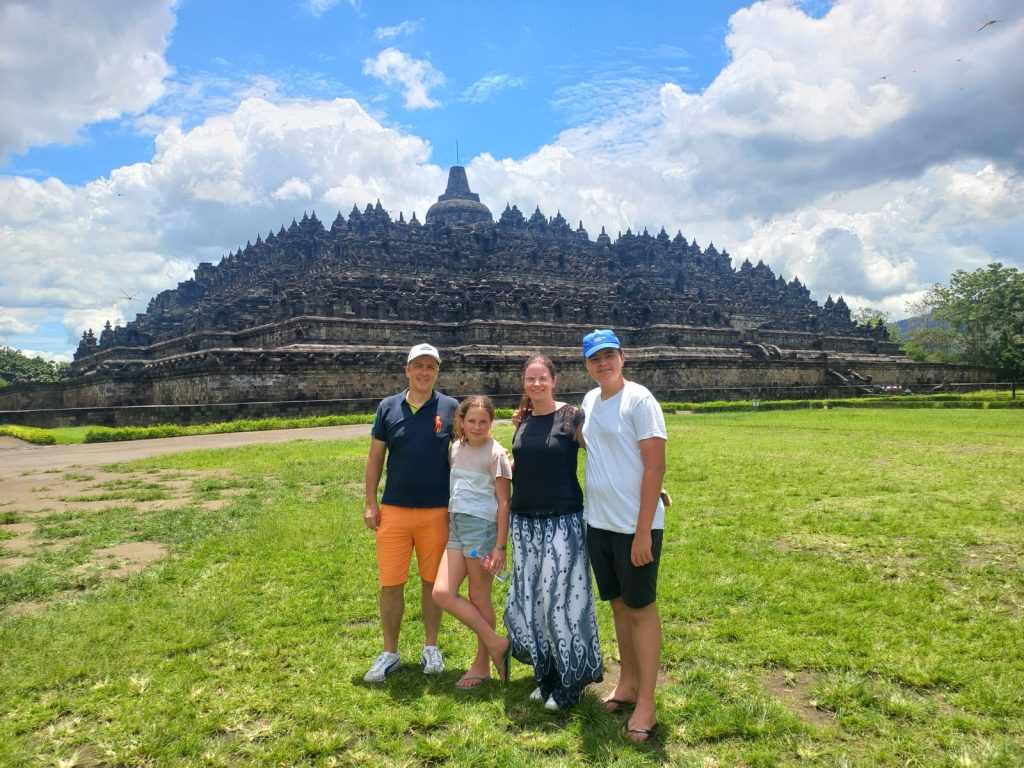


organized by
YOGYA TOURS – The Tour Operator and Travel Services
Yogyakarta – Indonesia
Linked sites borobudurholiday.com, bromotour.com and bromoadventure.com
