Sukuh & Cetho Temples The Mysterious Temples on the Slope of Mt. Lawu
Sukuh temple is one of the many Hindu relic in Central Java. Located on western slope of Mount Lawu, located at 910 meters above the sea level and 7km from Karangpandan on 35 km from Surakarta
It was built in the XV century just before Moslem penetrate throughout the island of java. It is also usually called “the most erotic temple in the world. Sukuh has a unique from structure which also shows Indonesia original elements. more prominent rather then mostly Indian temple elements. It is a holy structure of building for Siva religion that in Indonesia is a symbolize by phallus which visualizing in real as a man sex organ.
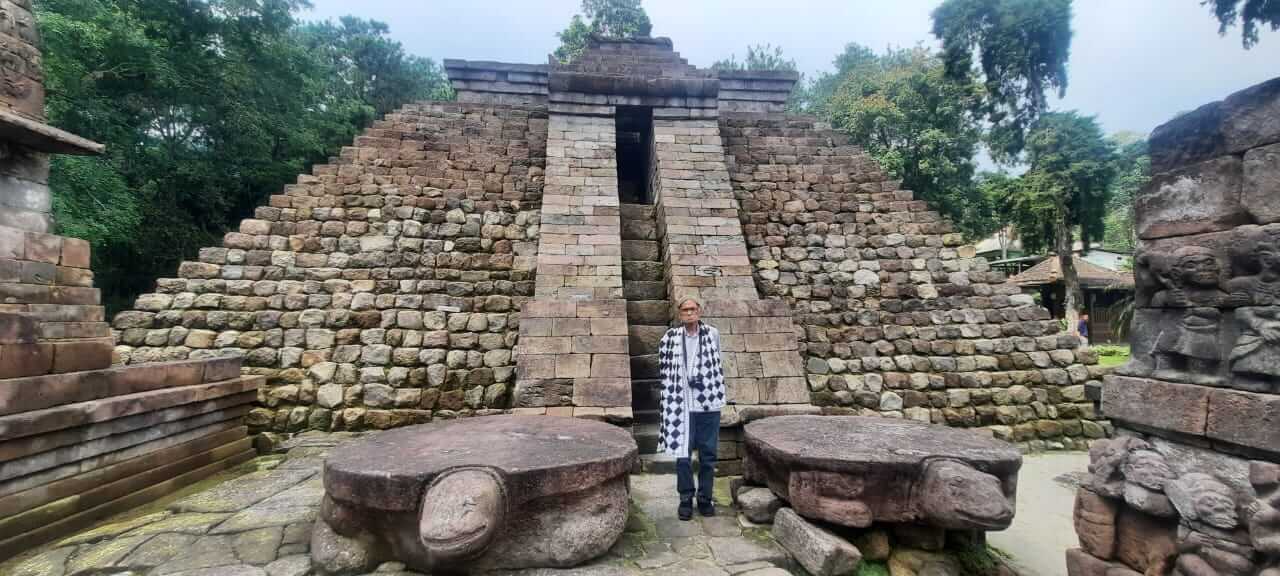
The architecture alone set this temple apart. It is a stepped, truncated pyramid, and it looks very like the Mayan temple of Yucatan and Guatemala in central America. The temple is a spiritual monument with a complete relieves that really enchanting and rare
How to get to Sukuh Cetho temple?
We provide one day tour package to Sukuh Cetho temple from Yogyakarta, but also offer you one day private transport to visit Sukuh and Cetho temples from Yogyakarta using all comfortable van air-conditioned with friendly driver, For the pricing list one day transport from Yogyakarta.
Frequently Asked Questions about Sukuh & Cetho Temples Tours
- Where are Sukuh and Cetho Temples located?
Both temples are situated on the slopes of Mount Lawu in Central Java, near Karanganyar Regency. - Why are Sukuh and Cetho Temples famous?
Sukuh Temple is known for its unique pyramid‑like shape and erotic reliefs, while Cetho Temple is admired for its terraced design and mystical atmosphere. - How far are Sukuh and Cetho Temples from Yogyakarta?
The journey takes about 3–4 hours by car, making them suitable for a full‑day trip from Yogyakarta. - What is the historical significance of these temples?
Built in the 15th century, they represent the late period of Javanese Hindu architecture and reflect cultural transitions before Islam became dominant in Java. - What is the best time to visit Sukuh and Cetho Temples?
Morning or late afternoon is ideal for cooler weather and fewer crowds. The dry season (May–September) offers clearer views of Mount Lawu. - Do I need tickets to enter Sukuh and Cetho Temples?
Yes, entry tickets are required for both temples, with separate fees for domestic and international visitors. - Are guided tours available at Sukuh and Cetho?
Yes, guided tours are recommended to understand the symbolism, history, and cultural context of the temples. - What should I wear when visiting Sukuh and Cetho Temples?
Comfortable clothing and shoes are advised. Modest attire is appreciated, as these are sacred sites. - Are Sukuh and Cetho Temples suitable for family visits?
Families can visit, but children should be supervised due to steep paths and uneven terrain. - Can Sukuh and Cetho Temples be visited together in one day?
Yes, most tours combine both temples in a single itinerary, often including scenic stops around Mount Lawu.